Michael Andrews Luke, PhD, CEO & Managing Director, Formulytica
Michael Andrews Luke, PhD, CEO & Managing Director, Formulytica
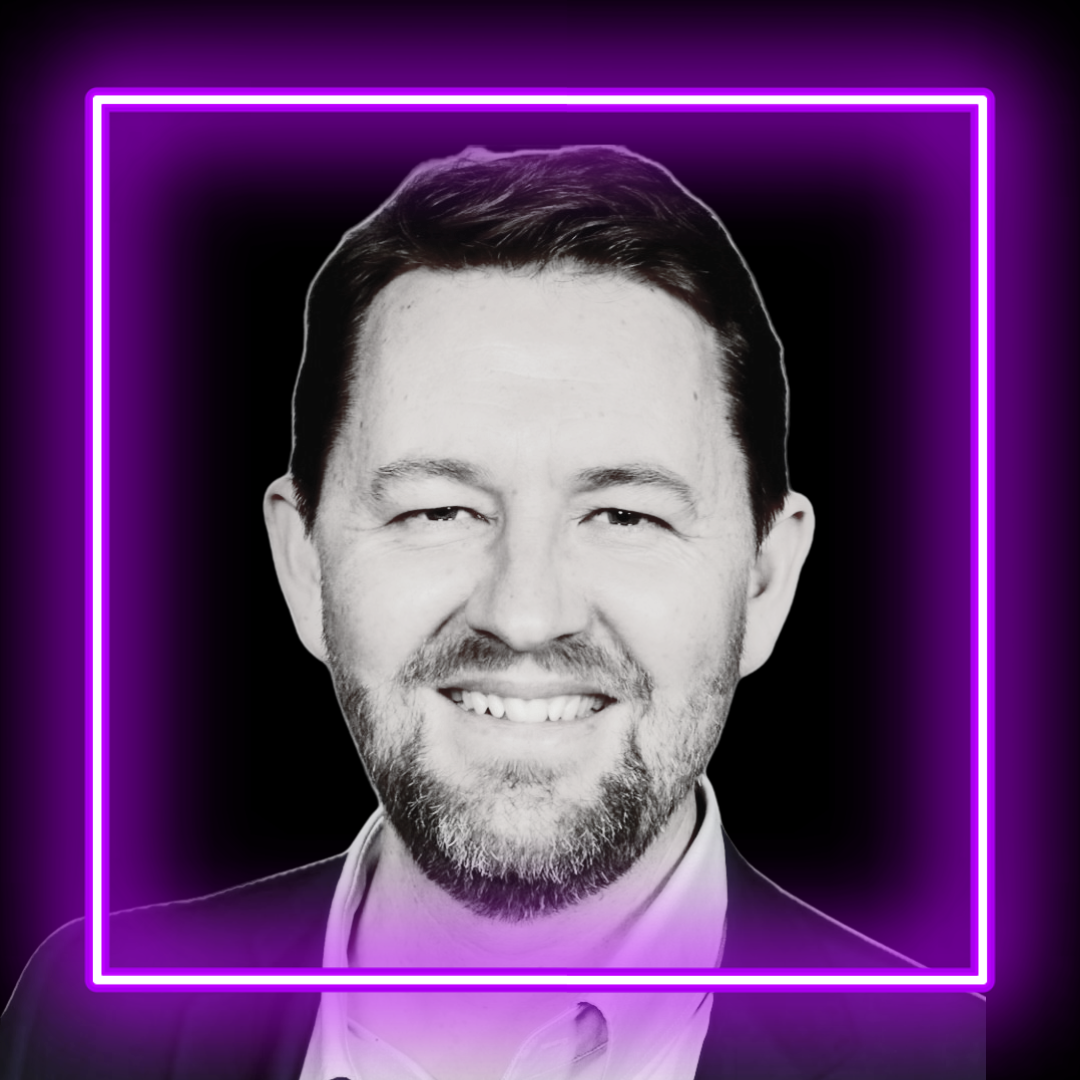
Michael Andrews Luke, PhD, CEO & Managing Director, Formulytica
Biography
Dr Michael Andrews Luke is CEO and Managing Director of Formulytica, an Australian contract development and manufacturing organisation (CDMO) specialising in pharmaceutical formulation development and chemistry, manufacture and controls (CMC) strategy, scale-up, GMP manufacturing, and early-stage clinical supply.
A PhD-qualified scientist with more than 20 years of industry experience, Michael’s career has spanned biotechnology, pharmaceuticals, dermatology and skincare. He has held senior scientific and leadership roles at Aesop, Apollo Life Sciences, Arana Therapeutics, Stiefel Research Australia, part of GlaxoSmithKline, and Imunexus, where he was a founding scientist and key inventor of the company’s multispecific antibody platform. His technical experience includes microemulsions, liposomes and other nanoparticle systems for the delivery of small molecules, proteins, peptides and nucleic acids, including siRNA, mRNA and DNA.
At Formulytica, Michael has led formulation and CMC programs across topical, oral and injectable products, including complex liposomal formulations scaled to GMP manufacture and supplied for international clinical trials. Formulytica works with biotechnology and pharmaceutical companies, universities and research groups to translate promising discoveries into stable, scalable and development-ready products. The company operates through fee-for-service development, collaborative programs, co-development and technology partnering.
Michael also contributes to postgraduate biotechnology education at the University of Melbourne, where he teaches and mentors emerging scientists in areas including product development, project management, GMP, commercialisation and research translation.
Interview
NanoSphere: Tell us a bit about yourself—your background, journey, and what led you to where you are today.
Michael: My path into nanomedicine was not entirely linear. At university I was interested in both astrophysics and immunology. In some ways, I was studying the largest things in the universe and some of the smallest. What fascinated me about immunology was how immune cells, cytokines and antibodies communicate and coordinate a highly systematic response to pathogens. I ultimately majored in immunology before completing a PhD in cell and molecular biology.
During my PhD, I studied genes involved in vesicular transport within cells. Cells have remarkably sophisticated systems for selecting cargo, packaging it into nano-sized vesicles, and directing those vesicles to specific intracellular destinations using specialised protein machinery. That gave me an early appreciation of a challenge that remains central to nanomedicine today: it is not enough to carry a therapeutic payload. You must package it appropriately, protect it, deliver it to the correct location and release it in a biologically useful form.
My first industry role was with Aesop in the early 2000s. That was my introduction to formulation development, scale-up, quality systems, contract manufacture and regulatory requirements. Among other products, I worked on Aesop’s first fragrances, Marrakech and Mystra. While that may sound like an unusual step between molecular biology and nanomedicine, it taught me that scientific elegance alone does not create a successful product. A formulation must also be stable, manufacturable, usable and appropriate for the people who will ultimately use it.
I then moved into drug delivery at Apollo Life Sciences, where I worked on topical and oral delivery systems for biologics. This included nanoemulsion and microemulsion technologies for topical delivery of proteins and peptides and natural polymer nanoparticles developed for oral delivery. One program used vitamin B12-mediated uptake as part of an oral nanoparticle platform, with oral insulin as the initial development candidate.
My career later moved through nanoparticle targeting, protein engineering, dermatological drug development and biotechnology company building. At Arana Therapeutics, I worked on developing engineered protein scaffolds and multispecific biologics, including bispecific antibodies. That work subsequently contributed to the core technology developed by Imunexus, where I became a founding scientist and helped build the early R&D strategy, data and intellectual property supporting the company.
Today, as CEO and Managing Director of Formulytica, I have the opportunity to bring those experiences together. We work across topical, oral and injectable drug delivery and support small molecules, proteins, peptides and nucleic-acid-based therapies. Our work has included nanoemulsions, nucleic acid delivery systems for siRNA and other oligonucleotides, polymeric nanoparticles and sterile injectable liposomal products.
A particularly satisfying part of the role is helping projects move beyond an initial idea or interesting laboratory result. For example, we have developed and scaled multiple liposomal injectable drug products to GMP manufacture, generated multi-year stability data, supported CMC documentation and supplied material to international clinical programs.
One of our current collaborations is with Loxegen on non-lipid nanoparticle-based gene delivery. The program brings together Loxegen’s Vectranox technology and Formulytica’s topical delivery and translational formulation capabilities, initially exploring dermatological applications including rare genetic diseases. It is a good example of the type of collaboration I find most exciting: combining complementary platform technologies and expertise to address a delivery problem that neither party should try to solve alone.
NanoSphere: You've worked across drug development, formulation, nanomedicine, and GMP manufacturing. What are the biggest challenges in translating a promising scientific concept into a product that can actually reach patients?
Michael: The biggest challenge is that a promising nanoparticle is not the same as a viable medicine. The science may work beautifully in the laboratory, but patients need products that are stable, scalable, manufacturable and well understood. Too often, critical questions around characterisation, stability, manufacturing and regulatory strategy are left until late in development.
The most successful programs address these issues from the beginning, bringing together formulation, analytical science, manufacturing and regulatory expertise as an integrated development strategy. That's where many nanomedicine projects succeed or fail.
NanoSphere: How can companies engage with regulatory requirements earlier in development so that compliance becomes part of the product strategy rather than a barrier encountered later?
Michael: One of the biggest regulatory mistakes is treating compliance as something that happens just before a submission. Regulatory strategy should begin alongside product design.
For nanomedicines, companies need to think early about characterisation, stability, manufacturability, analytical methods and GMP scalability. These are not just regulatory questions. They determine whether a promising technology can become a real product.
Early engagement with regulators can be invaluable, particularly for novel delivery systems. Many agencies offer innovation and scientific advice meetings that allow developers to discuss emerging technologies and gain feedback before committing significant resources. In our experience these discussions are most productive when sponsors arrive with a well-defined product concept and specific questions rather than seeking general guidance.
NanoSphere: If there’s one key message or insight you’d like to share with readers about the future of nanomedicine, what would it be?
Michael: Cells experience the world at the nanoscale. From antibodies and cytokines to viruses and extracellular vesicles, biology already operates through sophisticated nanoscale systems. The future of nanomedicine is learning to speak that language, designing therapies that work with biology rather than against it, and transforming those insights into medicines that can be reliably manufactured and delivered to patients worldwide.
Michael's references
- Formulytica website: www.formulytica.com
- Formulytica LinkedIn page: https://www.linkedin.com/company/formulytica/