Maya Thanou, Prof in Pharmaceutical Nanotechnology
Maya Thanou, Prof in Pharmaceutical Nanotechnology
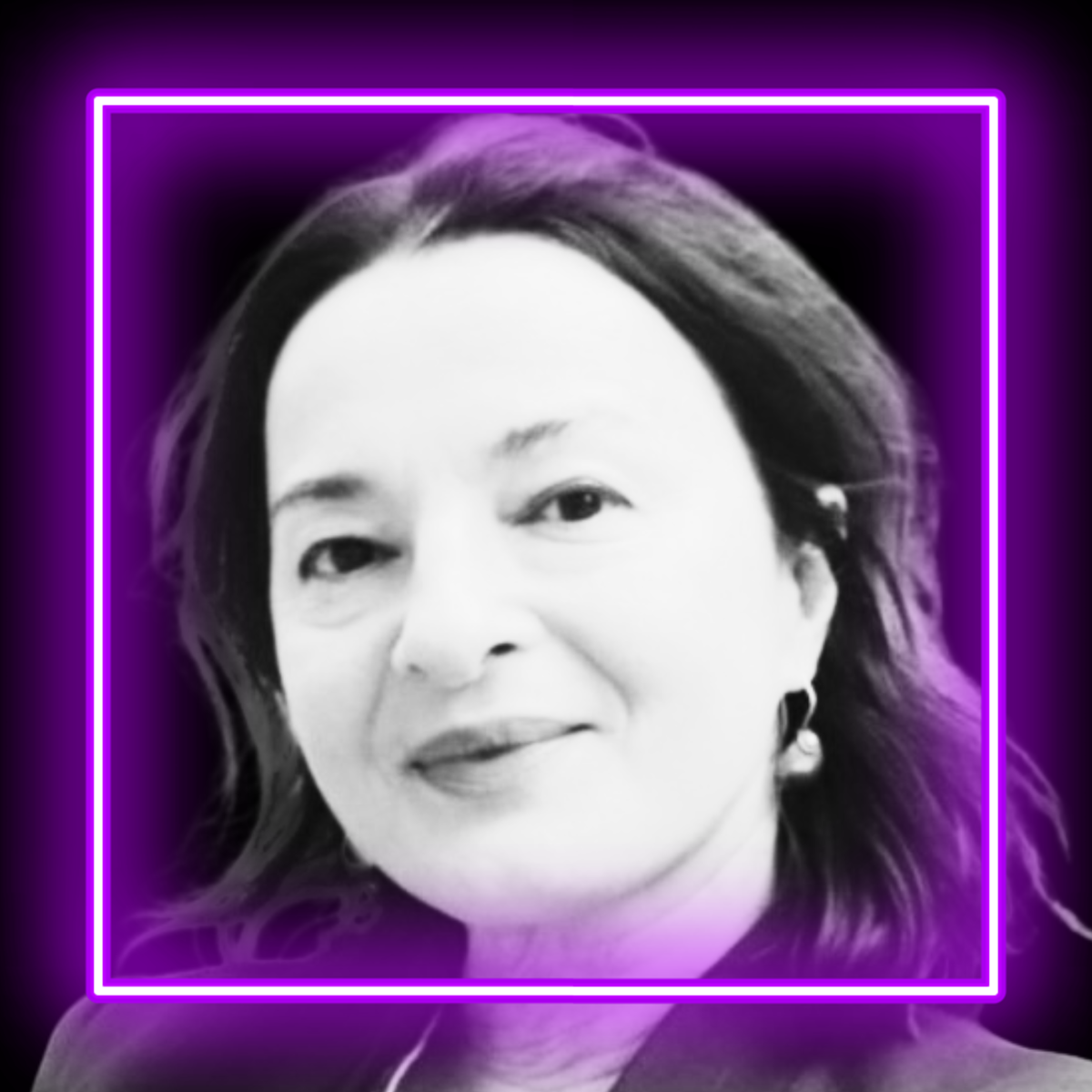
Maya Thanou, Prof in Pharmaceutical Nanotechnology
Biography
Professor Maya Thanou is a leading expert in pharmaceutical nanotechnology, at the Institute of Pharmaceutical Science, School of Cancer and Pharmaceutical Sciences, King’s College London. She also holds an adjunct Professorship at the University of South Denmark. She earned her PhD in therapeutic peptide delivery from the Leiden/Amsterdam Centre for Drug Research (LACDR) in 2000 and was awarded the AAPS Award for Excellence in Graduate Research the same year. Following an early career role at Kytogenics Pharmaceuticals, she became a Lecturer in Polymer Therapeutics at Cardiff University. In 2004, she secured a prestigious Dorothy Hodgkin Royal Society Research Fellowship and conducted breakthrough work in cancer gene therapy at Imperial College London.
In 2009, Professor Thanou joined King’s, where she now holds a professorship. In 2025 she was elected to be the impact and innovation lead for the School of Cancer and Pharmaceutical Sciences. Her research focuses on theranostic nanoparticles, microwave and/or focused‑ultrasound-activatables, and near‑infrared fluorescence tracers. Supported by EPSRC, BBSRC, MRC, Innovate UK, Schlumberger Foundation, Brain Tumour Charity, Little Princess Trust and others, her work bridges academia and industry, with over 100 publications, 13k+ citations, and 10 patents.
She runs the “Nanolab” that currently hosts 4 ECRs and 6 PhD students. A serial innovator, she co-founded biotech ventures: AJMmed-i-caps, that develops bowel cancer detecting tracers and Apeikon Therapeutics, that develops activatable nanoparticles for brain tumours. She serves as the vice-chair and Industry-Trustee of the British Society for Nanomedicine and edited a Royal Society of Chemistry volume, Theranostics: Image‑Guided Drug Delivery. Professor Thanou’ interdisciplinary approach advances precision medicine by engineering image‑guided, activatable drug delivery systems. Her dedication to innovation, and entrepreneurship exemplifies her pivotal role at the intersection of science, academia, and industry.
Interview
NanoSphere: Tell us a bit about yourself—your background, journey, and what led you to where you are today.
Maya: I began my journey in pharmacy at the Aristotle University of Thessaloniki and went on to complete my PhD at the Leiden/Amsterdam Centre for Drug Research, where I specialised in therapeutic peptide delivery and received the AAPS Award for Excellence in Graduate Research. My career has spanned academia, innovation, and translational science from early work in polymer therapeutics at Cardiff University to a Royal Society Dorothy Hodgkin Fellowship at Imperial College London.
I am a Professor of Pharmaceutical Nanotechnology at King’s College London, where my work focuses on engineering image‑guided and activatable drug‑delivery systems. At King’s, I lead research on theranostic nanoparticles, focused‑ultrasound‑ and microwave‑responsive systems, and multimodal probes. Mt work is funded by by major UKRI funders and charitable foundations.
I also serve as Impact and Innovation Lead for the School of Cancer and Pharmaceutical Sciences and as Vice‑Chair and Industry Trustee of the British Society for Nanomedicine. Alongside my academic roles, I co‑founded two biotech ventures developing image‑guided technologies for cancer diagnosis and therapy. What drives me is bridging scientific discovery with meaningful clinical impact and training the next generation of scientists, fostering interdisciplinary collaboration, and pushing nanomedicine toward real‑world translation.
NanoSphere: Your work consistently sits at the intersection of imaging, nanotechnology, and drug delivery. Looking back across your academic and entrepreneurial journey, what have been the hardest translational gaps to bridge when turning image-guided nanoparticles into clinically meaningful systems, and where do you think the field still underestimates the complexity?
Maya: The hardest translational gaps in developing image‑guided nanoparticles stem from the disconnect between the pharmaceutical research field and the complex, medical device field. Further, nanoparticles behave unpredictably across tumour types, immune environments, and patient‑specific biology, a complexity the field often underestimates.
Translation requires synchronising nanoparticles with clinical imaging or activation devices an interdisciplinary challenge that demands far deeper integration than typical academic pipelines allow. On top of this, regulatory pathways for materials that function simultaneously as drugs, imaging agents, and activatable therapeutics remain demanding, particularly in proving reproducibility and manufacturing consistency.
Ultimately, true clinical translation requires designing not just nanoparticles but robust, interoperable systems that account for biological variability, engineering constraints, and clinical workflow.
NanoSphere: You have trained and led across multiple institutions and disciplines over two decades. What mindset or capability do you believe the next generation of pharmaceutical scientists must develop if nanomedicine is to genuinely impact patients rather than remain confined to high-impact publications?
Maya: Over the years, I’ve learned that the next generation of pharmaceutical scientists will need to cultivate a mindset that goes far beyond technical excellence. If nanomedicine is to truly impact patients, young scientists must adopt original thinking and innovation. A mindset that will aim to solutions using molecular design, real‑world clinical constraints, regulatory pathways, device integration, and patient diversity.
They also need to embrace rigorous translational literacy: understanding how manufacturing, reproducibility, imaging compatibility, and clinical workflow shape whether an elegant concept can actually become a viable therapeutic. Equally important is developing the humility to question old assumptions, the resilience to navigate uncertainty, and the ability to collaborate deeply across disciplines.
Ultimately, the scientists who will make a difference are those who see nanomedicine not just as an intellectual exercise but as an interconnected ecosystem in which success depends on engineering solutions that function reliably in the complexity of human biology and healthcare.
NanoSphere: If there’s one key message or insight you’d like to share with readers about the future of nanomedicine, what would it be?
Maya: Create new ways to track nanoparticle kinetics and tissue‑specific distribution in both healthy and diseased environments.