María de la Fuente Freire, PhD, MBA. CEO/CSO DIVERSA Technologies SL PI of the Nano-Oncology and Translational Therapeutics Group, IDIS, SERGAS, Spain
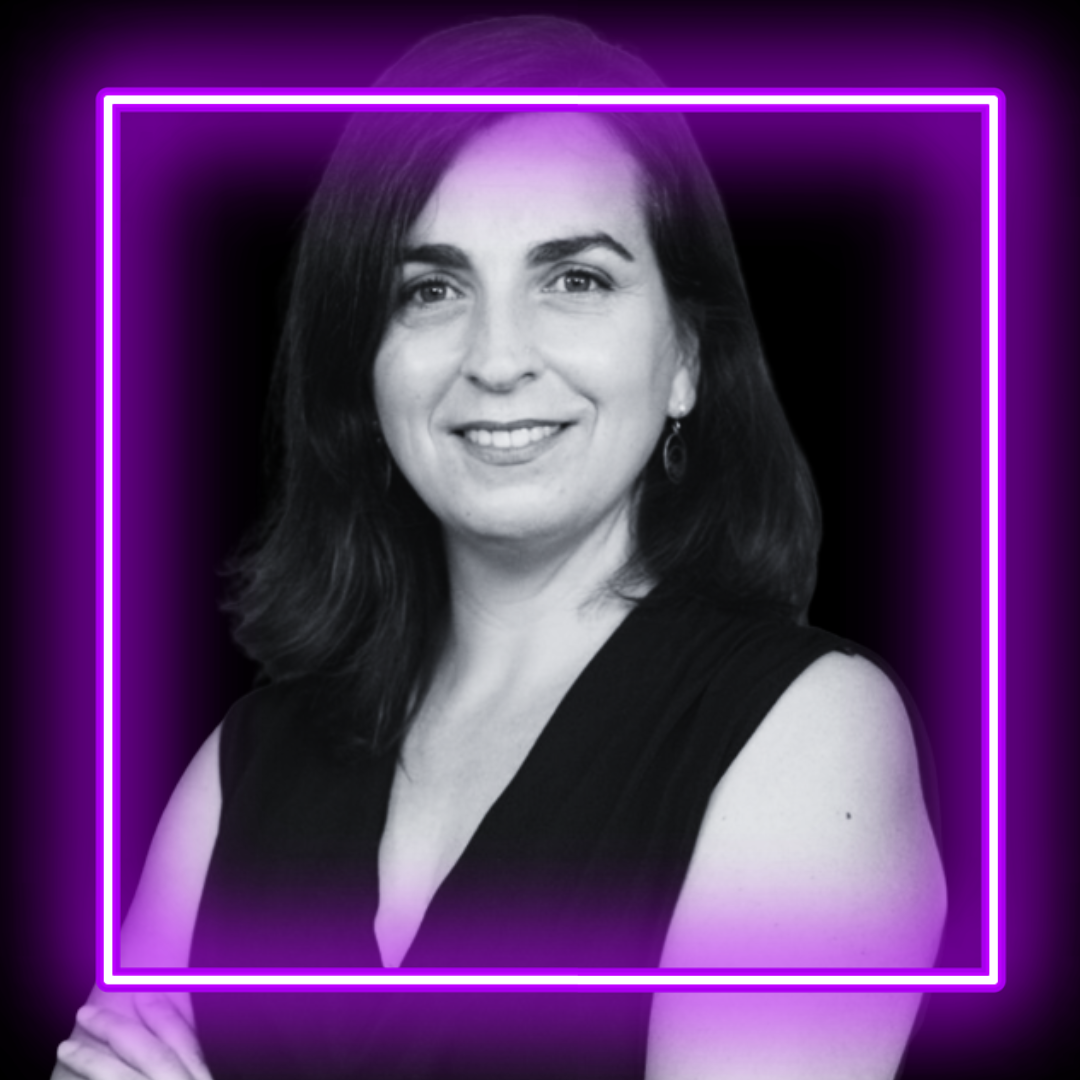
María de la Fuente Freire, PhD, MBA. CEO/CSO DIVERSA Technologies SL PI of the Nano-Oncology and Translational Therapeutics Group, IDIS, SERGAS, Spain
Biography
Dr. de la Fuente earned her degree in Pharmacy from the University of Santiago de Compostela, Spain, in 2001, and completed her PhD in 2006 at the same institution, specializing in the field of nanomedicine and nanotechnology. Throughout her career, she conducted several research stays at esteemed institutions including the University of Angers, University of Valladolid, University of Kuopio, and University College of London-School of Pharmacy. Her academic trajectory was supported by various fellowships from esteemed organizations such as the Xunta de Galicia, Spanish Ministry of Education, Fundación Alfonso Martín Escudero, and Fundación Asociación Española Contra el Cáncer. In 2013, Dr. de la Fuente secured a research position at Clinical University Hospital of Santiago de Compostela, Servizo Galego de Saúde (SERGAS), as a senior researcher. She established the Nano-Oncology and Translational Therapeutics group, dedicated to developing new nanomedicines for the treatment and diagnosis of metastatic cancer. Over the years, Dr. de la Fuente has successfully raised funding from national and international bodies such as AECC, ISCIII, AEI, GAIN, La Caixa, Interreg Atlantic, and EraNET Euronanomed. Furthermore, Dr. de la Fuente played a pivotal role in the incorporation of the spin-off company DIVERSA Technologies SL in 2022. The company’s mission is to enable the clinical translation of novel drugs and biomolecules through patented nanosystems, with the vision of improving global health by addressing unmet clinical needs. DIVERSA is currently advancing nanomedicines toward clinical development in oncology and rare diseases, while providing support, technology, and know-how to companies and academic groups seeking robust, translatable delivery platforms to bring their active compounds to market.
Interview
NanoSphere: Tell us a bit about yourself—your background, journey, and what led you to where you are today.
Maria: I hold a degree in Pharmacy, and throughout my early training I explored several professional paths without a clear sense of direction. A turning point came when I had the opportunity to take part in an Erasmus programme in France; as I had already completed my degree, I decided to join a research laboratory. That experience was transformative: it was there that I discovered the potential of nanomedicine and realised that research could be both intellectually challenging and deeply impactful.
After returning to Spain, I started my PhD at the University of Santiago de Compostela in the laboratory of María José Alonso, a leading figure in drug delivery and nanomedicine. During my doctoral and postdoctoral training, I became increasingly attracted to the industrial side of science. At that time, there were very few opportunities in Galicia, but through my work and by learning from mentors such as María José Alonso and Andreas Schatzlein, I understood that starting a company was a real possibility, as I had the opportunity to see this happening both in Santiago and in London.
This mindset shaped my career from an early stage. Even when I began my independent research career, entrepreneurship was already on my radar as a natural next step. In addition, working as a researcher in a hospital environment and focusing on the development of nanomedicines made the need to create a company increasingly clear. Establishing a spin-off was the most effective way to further mature the technology and ultimately bring it back to the clinic, where it can make a real difference for patients.
NanoSphere: As someone with dual roles in biotech leadership and hospital-based translational research, how do you evaluate whether a nanomedicine concept is commercially viable — beyond just its scientific novelty? How do you and your team at DIVERSA approach delivery to solid tumors — are there emerging strategies that you believe hold real translational promise? What are the biggest challenges you've faced moving from academic proof-of-concept to clinical-grade, patient-ready formulations?
Maria: When evaluating the commercial viability of a nanomedicine concept, I always look well beyond scientific novelty. At DIVERSA, the company was built on a technology and a body of know-how that had been developed over many years within an academic group and already showed strong potential for clinical translation. From the outset, the platform was designed to be simple in composition, safe by design, and adaptable to scalable manufacturing processes compatible with industrial and regulatory requirements.
These characteristics are essential for any technology that aims to move from the lab to patients. Before taking the entrepreneurial leap, we also placed strong emphasis on understanding technology transfer and business development. We participated in multiple translational and entrepreneurship programmes, received specialized training in innovation and value creation, and I personally completed an MBA. In parallel, we relied on highly experienced mentors who helped us understand how to make the transition, how to validate our approach beyond the science, and how to assess its real impact and value.
Although we have diversified our portfolio over time and developed new patents, we have remained very faithful to the original technological foundations. This continuity has allowed us to accumulate deep expertise, gain increasing control over our platforms, and build confidence in our decision-making as the company grows. Regarding delivery to solid tumors, our work is strongly driven by clinical insight. We operate within a highly specialized oncology research environment and are surrounded by researchers and clinicians with deep expertise in solid tumors. This provides us with direct access to experts and key opinion leaders, which is critical for identifying real delivery bottlenecks and for focusing on strategies with genuine translational relevance. This also allows us to stay closely aligned with how medicine is evolving and to ensure that our solutions address real unmet clinical needs rather than purely academic questions.
The biggest challenges in moving from academic proof-of-concept to clinical-grade, patient-ready formulations, have been building strong partnerships with key players who can help drive development forward, implementing robust CMC strategies, and defining the regulatory roadmap. However, as a pharmacist, I find regulatory science deeply motivating, and I genuinely enjoy tackling these challenges, as they lie at the core of transforming innovation into real therapies for patients.
NanoSphere: What’s one aspect of nanomedicine manufacturing or tech transfer that researchers often underestimate when preparing for scale-up? Where do you see the biggest opportunity for AI to accelerate your work — in molecule-carrier design, predictive toxicity, or regulatory planning?
Maria: One aspect that is often underestimated when preparing nanomedicine technologies for scale-up is the availability of raw materials that can be sourced at GMP grade, as well as the early estimation of manufacturing costs that are compatible with the realities of the market. Many concepts work well at laboratory scale, but translating them into clinically and commercially viable products requires early decisions that take into account supplier qualification, reproducibility, and cost of goods from the very beginning.
Regarding artificial intelligence, I believe it represents a transformative opportunity for nanomedicine and for medicine in general. AI has the potential to significantly accelerate development timelines and will be key to making precision and personalised medicine a true reality in the coming years. In our case, we see particular value in using AI to better predict in vivo behaviour, which remains one of the biggest challenges in nanomedicine development.
We have already started to develop a project in collaboration with a technological centre with strong expertise in AI, focusing specifically on improving the prediction of biological performance of nanocarriers. This kind of approach has the potential to reduce uncertainty, guide design decisions more efficiently, and ultimately increase the probability of successful clinical translation.
NanoSphere: If there’s one key message or insight you’d like to share with readers about the future of nanomedicine, what would it be?
Maria: The future of nanomedicine depends on advancing strong fundamental research while remaining creative, innovative, and deeply attuned to the broader ecosystem and emerging trends. By fostering collaboration, building inclusive communities, and engaging stakeholders across disciplines, nanomedicine can meaningfully contribute to truly personalised, patient-centred healthcare.