Ana Bouchet, co-founder and CEO of Lifesome Therapeutics
Ana Bouchet, co-founder and CEO of Lifesome Therapeutics
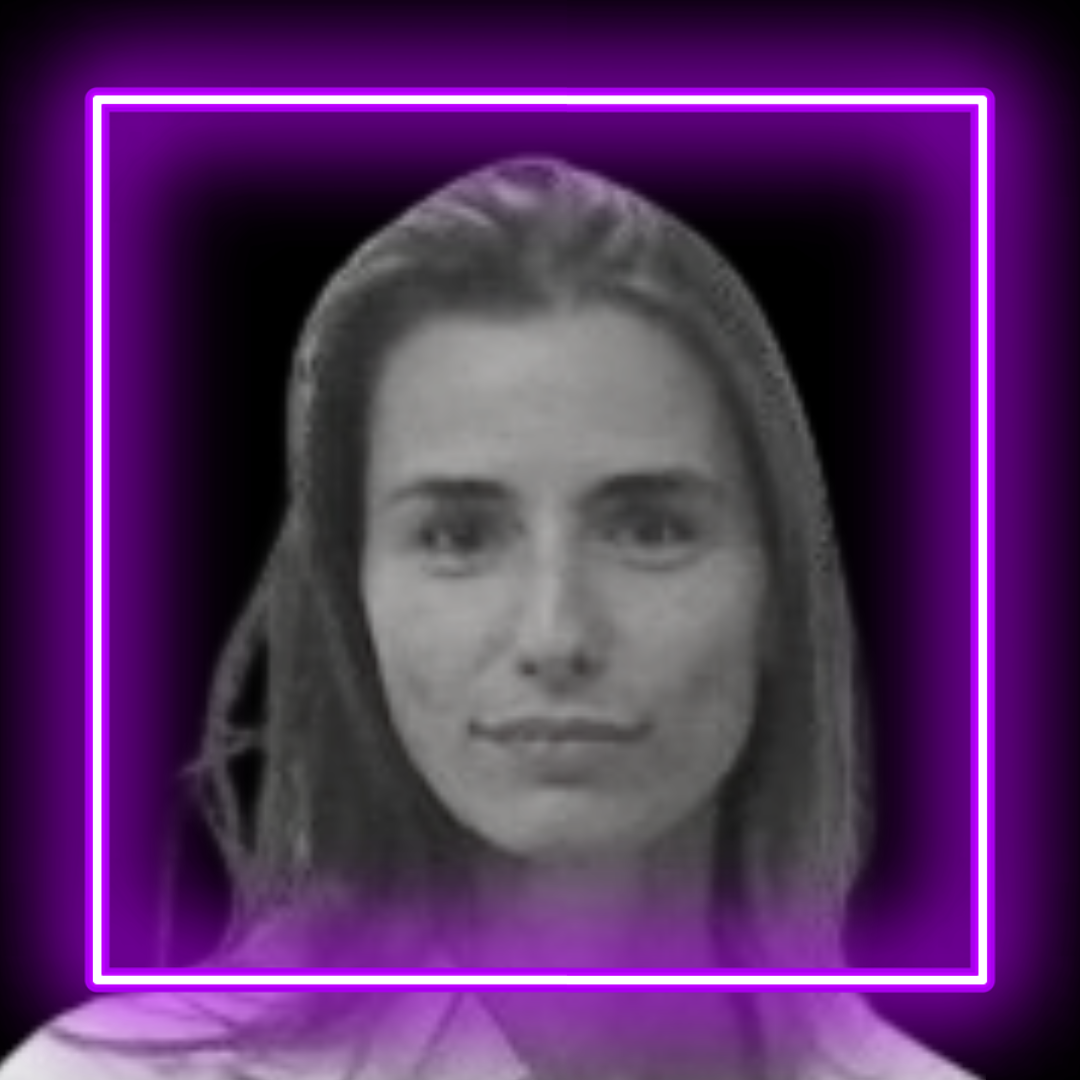
Ana Bouchet, co-founder and CEO of Lifesome Therapeutics
Biography
Ana Bouchet is Scientific co-founder and CEO of Lifesome Therapeutics. She developed her academic career in lipid biophysics (Biophysics PhD, UBA, Argentina). She joined Prof. Christophe Vandier’s group with the financial support of the Prestige Marie Curie Fellowship programme and investigated the lipid-associated dysregulation of channels in cancer and metastasis development. She pursued Innovation Managing studies at IESE Business School and in 2021 she led Lifesome acceleration programme (CATAPULL) supported by Madrid Science Park and Madrid Innovation.
Interview
NanoSphere: Tell us a bit about yourself—your background, journey, and what led you to where you are today.
Ana: I developed my PhD in Biophysics in Argentina, but the seed of Lifesome Therapeutics started while I was working in Prof. Christophe Vandier’s team in France. There, we developed a molecule, named Ohmline, which self-assembled into liposomes, while also inhibiting tumor growth.
This sparked the idea of developing a disruptive drug delivery system that acted not only as delivery per se, but also as an active biological agent. We performed lots of validation, we saw that we had a great product on our hands and we thought… How can we deliver this to the people who really matter: our patients? And we knew that the only valid answer to that question was to start a company. Prof. Jean-Marie Ruysschaert, who is one of the first experts who administered liposomes to patients, was also excited to join the team of co-founders, and… That is how Lifesome came to life!
NanoSphere: Many promising therapeutics fail not because of the molecule itself, but because of how it reaches the patient. How has your experience shaped the way you think about delivery as a critical determinant of therapeutic success?
Ana: Since liposomes entered clinical practice in the 1990s, lipid nanoparticles have seen limited innovation in targeted drug delivery. Although they reduce the toxicity of chemotherapeutic agents, they have had only a modest impact on patient survival because they fail to accumulate efficiently within the tumor microenvironment, limiting therapeutic efficacy.
Think about other technologies that were introduced around the same period, such as mobile phones. A mobile phone from the 90s only allowed us to communicate by calls, whereas current smartphones offer thousands of different options, which include Internet access, GPS systems, music storage and streaming services…
I believe it is time for lipid nanoparticles to advance in the same way, transitioning from a “basic” product which delivers a chemical, to a “smart” revolutionary system that adds value to the final formulation. This is one of the main goals of Lifesome’s R&D team. Our exceptional scientists keep exploring and optimizing the potential of our Ohmline nanoparticles to enhance the efficacy of encapsulated drugs in ways that no other lipid nanoparticle in the market does.
The “smart” component of Lifesome’s Ohmline nanoparticles allows these carriers to effectively block tumor growth even when the nanoparticle is empty, without any drug encapsulated. Imagine what these nanoparticles can achieve when loaded with a therapeutic agent: they act synergistically with the encapsulated drug, enhancing antitumor efficacy while enabling lower therapeutic doses. Biodistribution studies demonstrate that, unlike conventional liposomes, which are rapidly cleared by the mononuclear phagocyte system and primarily accumulate in the spleen, Ohmline nanoparticles accumulate at sites of inflammation. Their lactose-coated lipid surface promotes localization within tumor and infectious microenvironments, increasing drug concentration at the site of action, improving therapeutic efficacy, and extending the circulation half-life of rapidly cleared drugs.
Why is this important to our clients (biotech and pharma companies)? Because we can “rescue” their in-development drugs that were put on the shelves because, although promising, they did not reach certain standards to be considered clinically relevant. Now, thanks to the synergies established with our Ohmline nanoparticles, they are drawn out of the shelves and back to in-development consideration.
NanoSphere: You have worked across academia, public research institutions, and biotechnology entrepreneurship. What have these different environments taught you about translating scientific innovation into real-world healthcare solutions?
Ana: I think the biggest lesson that I carry from working in these different sectors is that cutting-edge science is a team effort, where all the institutions and the people within them must be present.
Academia and public research are needed to study and answer the fundamental and mechanistic questions that, generally, entrepreneurs do not have the time or resources to explore. However, biotech companies are needed to translate all the relevant science that academics perform to the clinic. Otherwise, all this relevant knowledge is generally stored in scientific papers, which are great sources of information, but do not reach the ultimate stakeholders: our patients.
Finally, independently of where you work (academic or biotech companies), it is vital to surround yourself with multidisciplinary scientists who offer different points of view to the same problem. I am lucky to say that this is the case with Lifesome, where I am the expert in Lipid Biophysics, but then I have a wonderful team of people who are experts in Electrophysiology, Immunology, Cancer Biology, Regulatory Affairs, Microbiology, Business development… Different points of view that, at the end of the day, make the engine work and produce valuable results to achieve our real-world objectives and implementation.
NanoSphere: If there’s one key message or insight you’d like to share with readers about the future of nanomedicine, what would it be?
Ana: Synergies and multidisciplinary approaches are not options, but a must.
This is perfectly explained if we focus on cancer research: tumors mutate so many different molecular pathways simultaneously that I believe is almost impossible to avoid resistance to treatment with a single drug. What happens when you use “smart nanoparticles” (such as Ohmline) to deliver your drug? You attack the tumor through different routes and, by doing so, the disease is less prone to develop resistances.
Also, the tumor microenvironment is so complicated… The immune cells within can be pro- or antitumoral, there are so many signals that can amplify or block a given molecular pathway… Even the gut microbiota play a role in deciding how a patient is reacting to a certain drug! So, again, you need people by your side who teach you about all these complex things.